
Research
My research sits at the intersection of political behavior, political psychology, causal inference, and computational social science. I study how political narratives, institutional presence, and symbolic space shape both expressed beliefs and observable behavior. Across projects, I combine survey and experimental methods with computational approaches to identify mechanisms behind sensitive political responses and social order outcomes.
Working Papers
The Long Shadow of Heroes: Martyrs' Cemetery, Patriotic Education, and Street Crime
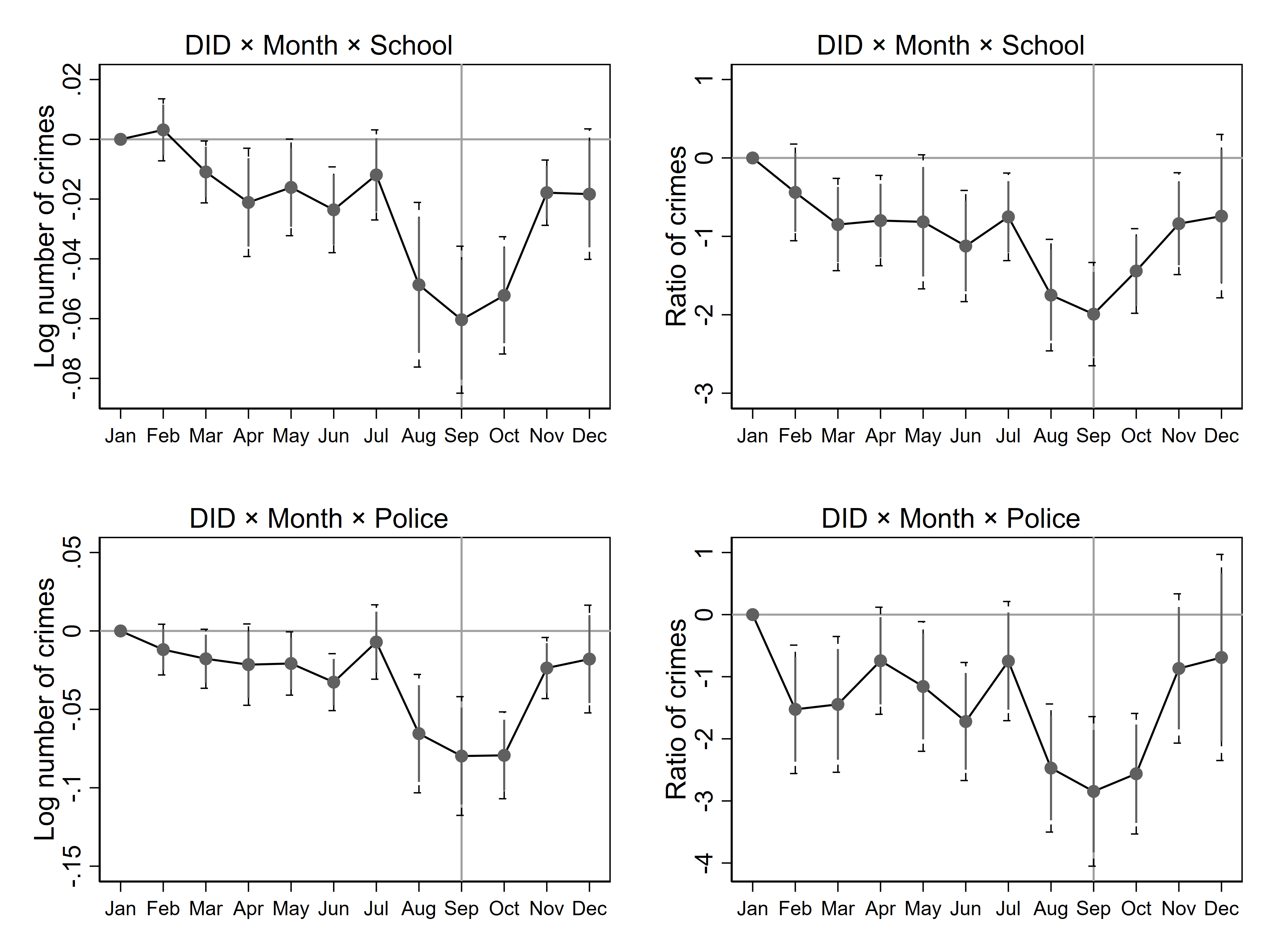
Moving beyond the standard distinction between formal and informal social control, this paper examines how the state curbs crime by embedding political and historical narratives in physical space. Using geocoded crime data and a staggered Difference-in-Differences design, I show that the establishment of Martyrs' Cemetery Parks leads to a significant decline in nearby crime, especially property crime.
The effect decays with distance and operates through two channels: spatially, through the clustering of patriotic education venues rather than expanded police presence; and temporally, through seasonal commemorative activities, particularly from August to October. A vignette experiment, complemented by instrumental-variable estimates from a national survey, indicates that memorial architecture fosters social order through moral suasion linked to patriotic education rather than conventional coercive mechanisms.
Reticence or Theatrics? Grassroots Cadre Presence and Political Response in Surveys
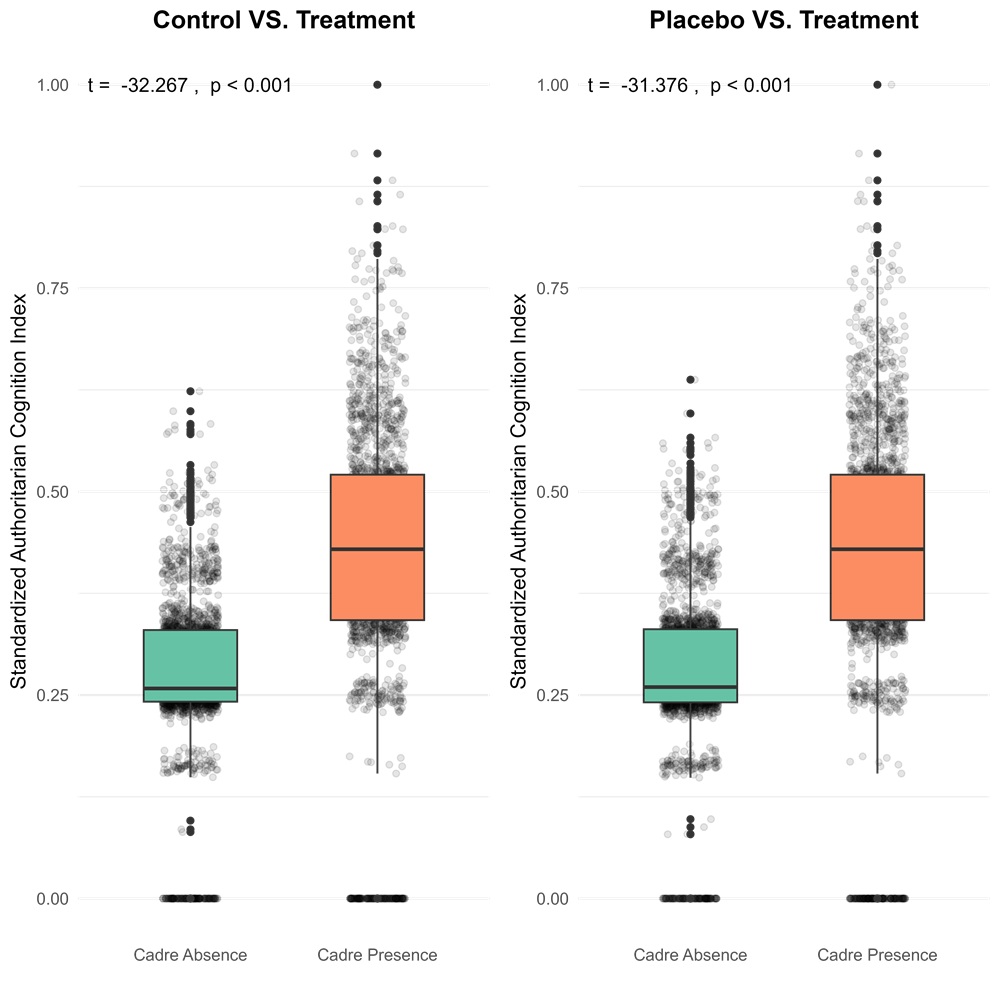
Survey studies struggle to eliminate response bias, yet they frequently neglect how interview context shapes answers. This paper examines whether the presence of grassroots cadres during interviews induces non-response and social desirability bias in politically sensitive items. Using four waves of the China Family Panel Studies (2012-2018), I find no robust increase in non-response but clear shifts in substantive responses toward politically preferred directions.
Respondents interviewed in the presence of cadres over-report trust in grassroots officeholders and evaluations of local government performance while under-reporting unfair treatment and conflict with authorities. To probe mechanisms, I combine randomized controlled trial simulations based on retrieval-augmented generation and in-context learning with real-human implicit association tests, showing that social desirability bias is driven by authoritarian cognition under perceived or actual sanction risk.
The "Chickening-Out" Judge: Adjudicating Clan Disputes in Court
This project examines adjudication strategies and judicial behavior in clan dispute cases. It investigates how judges navigate legal decision-making under social pressure and local relational constraints.